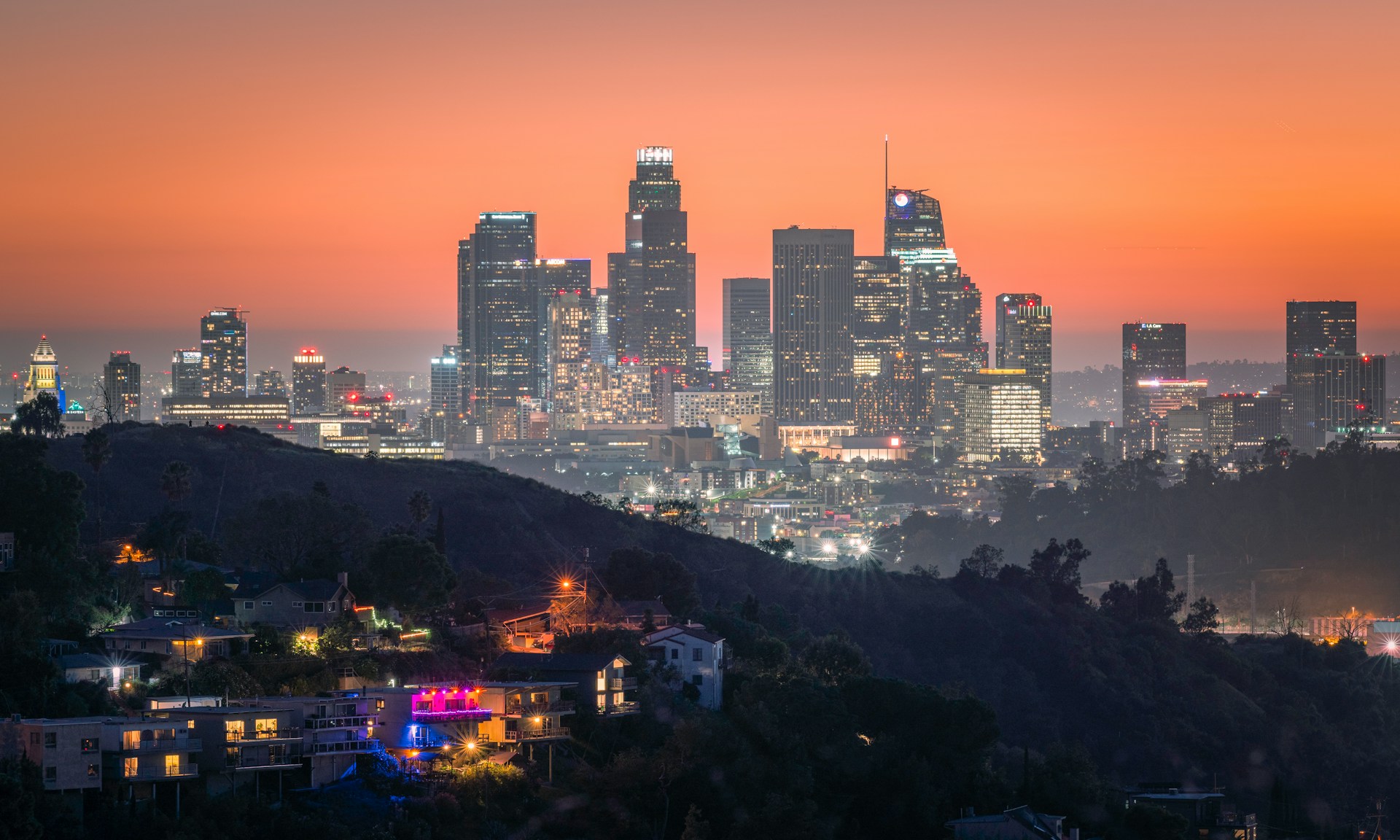
Los Angeles has always stood at the center of the global entertainment industry, shaping trends in film, television, music, and pop culture. Over the past decade, however, digital platforms have transformed how content is created, shared, and consumed. As a result, digital media disruption has changed not only what audiences watch but also how entertainment professionals build their careers in the city.
This shift has opened new doors while also closing some familiar ones. Streaming services, social platforms, and online tools now influence hiring patterns, job roles, and income models. Because of this, entertainment jobs in Los Angeles look very different today than they did even ten years ago.
How Digital Platforms Changed Content Creation
Digital media has lowered the barriers to entry for content creators. In the past, studios and networks controlled most production opportunities. Today, creators can produce films, series, podcasts, or music with modest budgets and share them online instantly.
As a result, Los Angeles has seen a surge in independent creators, editors, animators, and writers working outside traditional studios. Many professionals now juggle freelance projects across YouTube, streaming platforms, and branded content. This shift allows for more creative freedom, although it also requires workers to manage their own schedules, marketing, and income streams.
The Rise of Streaming and Its Effect on Employment
Streaming platforms have reshaped the entertainment workforce across Los Angeles. Companies like Netflix, Hulu, and Amazon Prime have created unprecedented demand for new content. Consequently, jobs in writing, production, post-production, and visual effects have expanded across many areas.
At the same time, shorter production cycles and data-driven decisions influence hiring practices. Studios now rely heavily on audience analytics to greenlight projects. Because of this, professionals with both creative and analytical skills often gain an advantage in the job market.
Social Media as a Career Engine
Social media plays a significant role in shaping modern entertainment careers. Platforms like TikTok, Instagram, and Twitch allow creators to build audiences without traditional gatekeepers. Many Los Angeles-based entertainers now launch careers online before transitioning into film, television, or music deals.
Within this ecosystem, social media-driven careers have become a legitimate and profitable path. Talent managers and casting directors often scout influencers with strong engagement rather than formal resumes. As a result, branding, consistency, and audience connection matter just as much as technical skill.
New Job Roles Created by Digital Media
Digital media has introduced entirely new job categories within the entertainment industry. Roles such as content strategist, community manager, digital producer, and platform analyst barely existed a decade ago. Today, they are essential to most media companies in Los Angeles.
These positions blend creativity with technical expertise. For example, a digital producer must understand storytelling while also optimizing content for specific platforms. Because technology evolves quickly, professionals in these roles must continuously update their skills to stay competitive.
The Gig Economy and Freelance Culture
Freelance work has become more common across entertainment jobs in Los Angeles. Digital platforms support short-term contracts, remote collaboration, and project-based hiring. While this offers flexibility, it also brings uncertainty.
Many workers now manage multiple income streams, combining freelance editing, content creation, and consulting. Although this model provides independence, it requires strong networking skills and financial planning. Therefore, adaptability has become a core requirement for long-term success in the industry.
Technology Skills Are Now Essential
Digital transformation has increased demand for technical skills across entertainment roles. Video editing software, motion graphics tools, and digital audio workstations are now standard requirements. Additionally, familiarity with algorithms, SEO, and analytics enhances the value of creative professionals.
Even actors and musicians benefit from understanding digital tools. Online auditions, self-produced content, and direct fan engagement are now common. Because of this, digital literacy has become just as crucial as traditional performance training.
How Traditional Jobs Have Evolved
Not all traditional entertainment jobs have disappeared. Instead, many have evolved to meet digital demands. Editors now work across multiple formats, including short-form videos and vertical content. Writers often develop stories that adapt easily to streaming and social platforms.
Production crews also use digital workflows that speed up filming and post-production. Cloud-based collaboration allows teams to work efficiently, even across different locations. As a result, professionals who embrace change tend to find more opportunities.
Diversity and Inclusion Through Digital Media
Digital media has expanded access to entertainment careers for underrepresented voices. Online platforms allow creators from diverse backgrounds to share stories without studio approval. This has increased representation both behind and in front of the camera.
Los Angeles benefits from this shift, as fresh perspectives attract global audiences. Many companies now prioritize inclusive hiring to reflect changing viewer expectations. Therefore, digital media supports a more diverse and dynamic entertainment workforce.
Challenges Facing Entertainment Workers
Despite new opportunities, digital media also brings challenges. Competition is intense, and algorithms can change without warning. Income instability remains a concern, especially for freelancers and independent creators.
Burnout is another issue, as constant content production and online presence can feel overwhelming. To succeed, professionals must balance creativity with self-care and long-term planning. Support networks and unions continue to adapt to protect workers in this evolving landscape.
What the Future Holds for Los Angeles Entertainment Jobs
The entertainment industry in Los Angeles will continue to evolve alongside digital innovation. Artificial intelligence, virtual production, and immersive media already influence hiring trends. Professionals who combine creativity with technology will likely lead the next phase of growth.
In the years ahead, future entertainment jobs will favor versatility, collaboration, and digital fluency. While change can feel uncertain, it also brings opportunity. For those willing to adapt, Los Angeles remains a powerful place to build a career in entertainment.