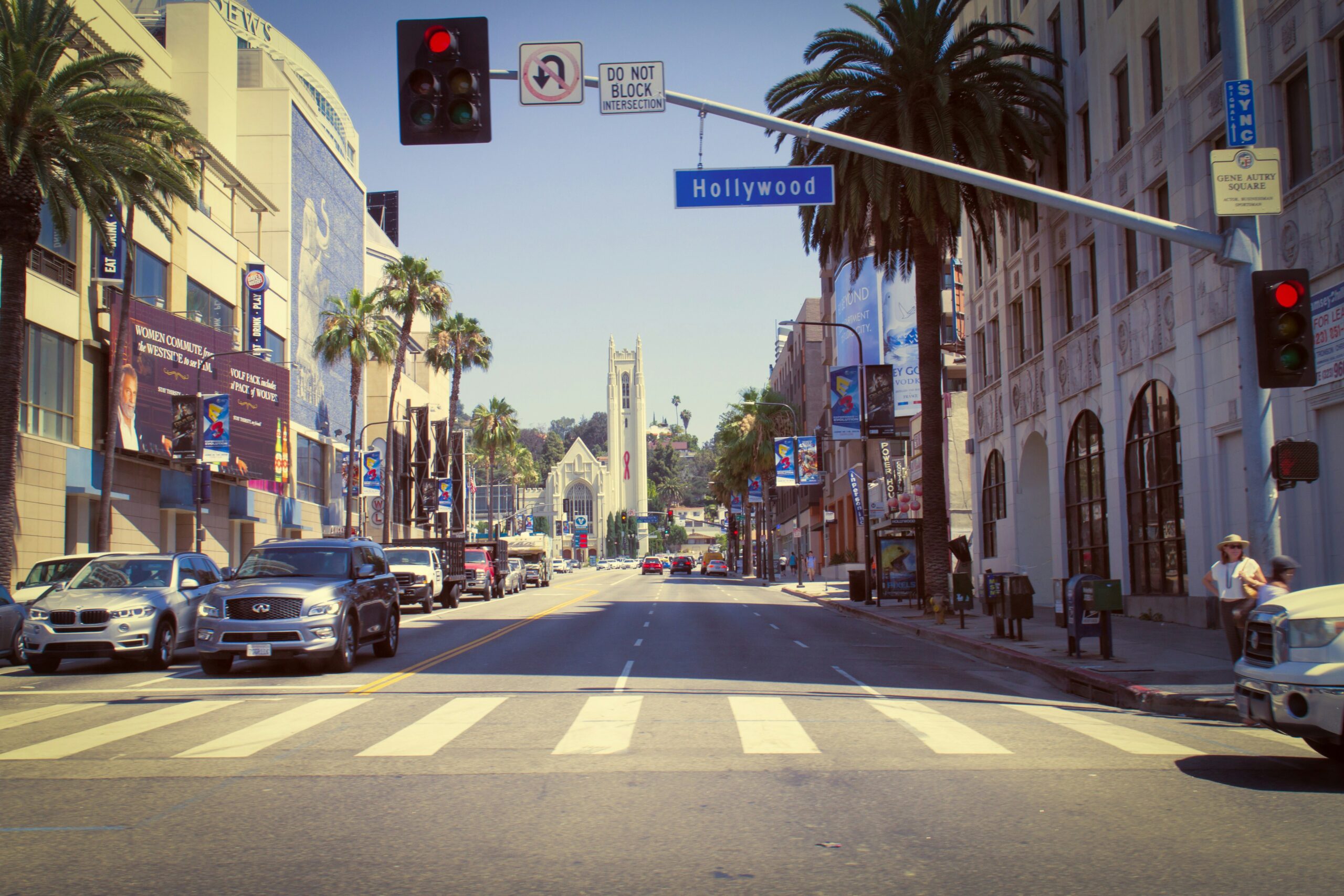
Los Angeles has always been a hub for creativity, glamour, and entertainment. From Hollywood studios to live music venues, the city thrives on innovation and spectacle. Over the past decade, a new force has reshaped the way people consume content and experience entertainment: social media influencers. These digital creators have transformed traditional models of fame, marketing, and audience engagement. They are no longer just online personalities; they are vital contributors to Los Angeles’ cultural and entertainment ecosystem, bridging the gap between fans and the city’s broader media industry.
The Rise of Digital Fame
Social media platforms have created unprecedented opportunities for individuals to build audiences and share content. Influencers in Los Angeles leverage Instagram, TikTok, YouTube, and emerging platforms to showcase lifestyles, talents, and creative projects. Unlike traditional celebrities, influencers often build trust and intimacy with their followers by sharing behind-the-scenes glimpses, personal stories, and interactive content. This approach generates engagement at a level that traditional media often struggles to achieve. In Los Angeles, the rise of influencers signals a shift in how fame is defined, making visibility accessible to anyone who can craft a compelling digital presence.
Influencers as Entertainment Creators
Los Angeles influencers are more than social media personalities—they are content creators in the truest sense. They produce original videos, short films, and collaborative projects that rival traditional productions in creativity and reach. Influencers frequently partner with established brands, studios, and networks to create campaigns, launch series, or promote events, blurring the line between marketing and entertainment. Transitioning from purely promotional content to entertainment-driven projects, these creators shape trends, introduce new narratives, and engage audiences in ways that traditional media cannot. Their influence extends beyond screens, impacting fashion, music, lifestyle, and even film and television industries in Los Angeles.
Redefining Traditional Media
Influencers have also transformed how traditional media operates in Los Angeles. Networks and studios increasingly rely on digital creators to promote new films, TV shows, and live events. Influencers amplify visibility by sharing content directly with highly engaged audiences, often generating more buzz than conventional advertising. Media executives recognize that influencers can drive ticket sales, streaming views, and social media conversation simultaneously. Transitioning from the margins to the mainstream, influencers have become essential collaborators in the city’s entertainment industry, demonstrating that digital reach can rival—and even surpass—traditional channels.
Influencers and Event Culture
Los Angeles’ entertainment events have evolved under the influence of digital creators. Film premieres, music festivals, and cultural gatherings now incorporate influencer presence to attract younger audiences. Influencers provide real-time coverage, behind-the-scenes access, and interactive experiences that engage followers worldwide. Their participation amplifies event visibility and creates a sense of immediacy and authenticity. Fans feel as though they are part of the action, even if they cannot attend in person. By reshaping event promotion and participation, influencers are redefining how the city connects audiences with entertainment, creating a new, digitally integrated cultural landscape.
Economic Impact and Brand Collaboration
Influencers contribute significantly to Los Angeles’ economy by driving brand partnerships, sponsorships, and content-driven commerce. Businesses across fashion, beauty, tech, and lifestyle sectors collaborate with influencers to reach specific demographics effectively. These partnerships often result in innovative campaigns, pop-up events, and immersive experiences that boost local economic activity. Additionally, influencer-led initiatives create jobs for photographers, videographers, editors, and event organizers, fostering a creative ecosystem that thrives alongside traditional entertainment industries. The city benefits from this convergence of digital content and commerce, solidifying its position as a global hub for media and creative enterprise.
Influencers as Cultural Tastemakers
Beyond marketing and promotion, influencers have become cultural tastemakers in Los Angeles. They shape trends in fashion, music, and lifestyle, and they often use their platforms to address social issues, amplify underrepresented voices, and foster community engagement. Their influence reaches audiences across borders, making Los Angeles not only a city of entertainment production but also a global trend-setting hub. By combining entertainment with cultural commentary, influencers redefine storytelling’s impact, blending personal narratives with broader societal conversations.
Challenges and Criticisms
While influencers offer innovation and reach, their rise has not been without controversy. Questions surrounding authenticity, content saturation, and the blurring of advertising and entertainment persist. Critics argue that some influencer-driven campaigns prioritize engagement metrics over substance. However, many creators respond by experimenting with formats, collaborating on meaningful projects, and integrating audience feedback to maintain credibility. In Los Angeles, the challenges faced by influencers highlight the ongoing evolution of entertainment, illustrating how new media adapts to both opportunity and criticism.
The Future of Entertainment in Los Angeles
Influencers have reshaped Los Angeles’ entertainment landscape by blending creativity, technology, and personal connection. They create original content, redefine event experiences, and collaborate with traditional media in ways that were unimaginable a decade ago. Their economic and cultural impact extends far beyond social media platforms, influencing trends, commerce, and global audiences. Los Angeles continues to evolve as a city where digital creators and traditional media coexist, driving innovation and expanding the possibilities of entertainment.
The rise of influencers demonstrates that storytelling no longer relies solely on studios, television networks, or film executives. Today, entertainment thrives when creators connect directly with audiences, craft compelling content, and shape culture from the ground up. In Los Angeles, this shift reflects the city’s adaptability, creativity, and commitment to innovation. As influencers continue to expand their reach and experiment with new formats, they ensure that the entertainment capital of the world remains at the forefront of digital, cultural, and creative evolution.