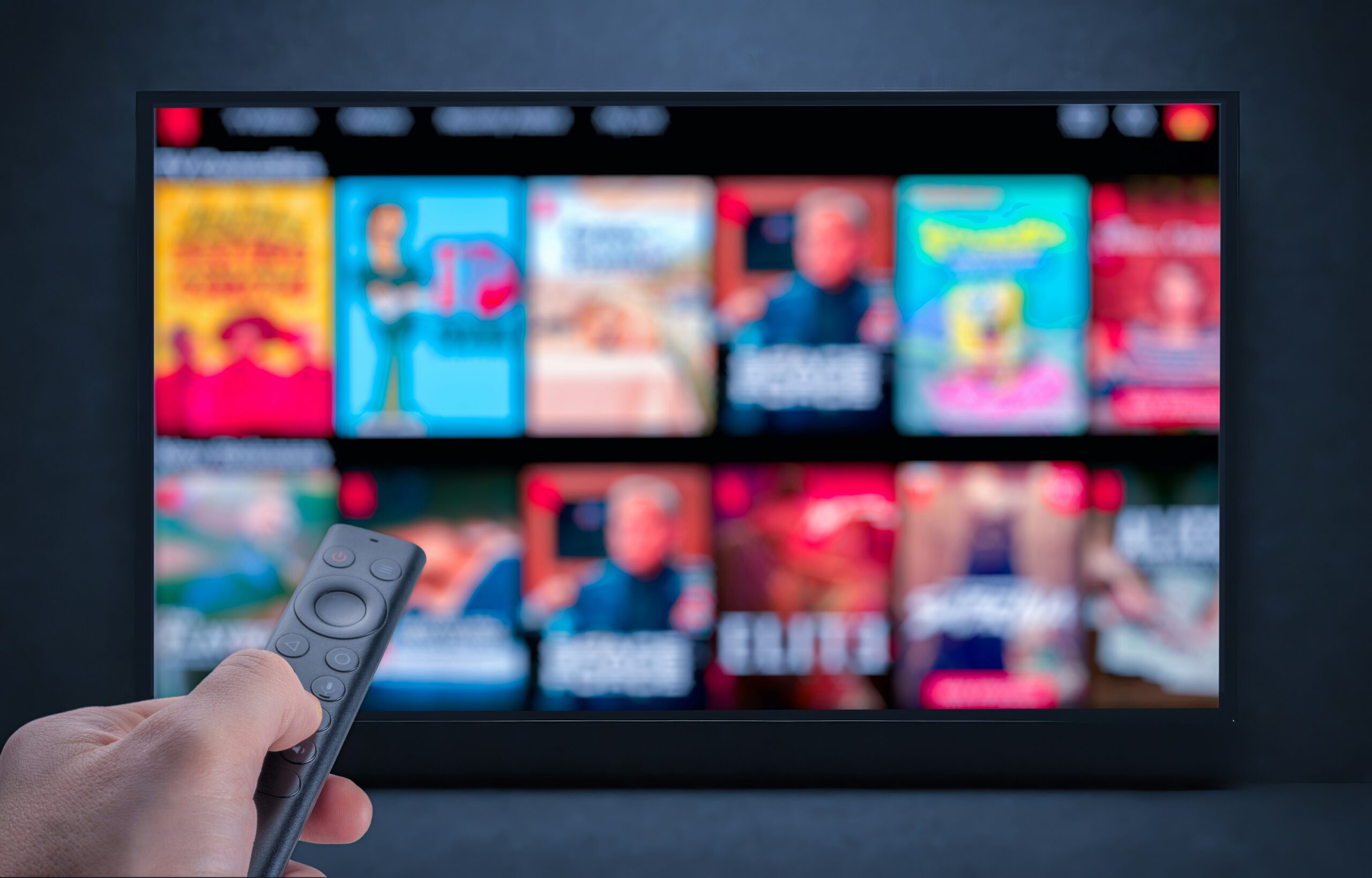
The entertainment industry in Los Angeles has experienced a major transformation during the past decade. Streaming platforms such as Netflix and Hulu have reshaped how television shows are created, financed, and distributed. As a result, traditional TV production models have changed dramatically. Studios now compete to produce content that attracts global audiences through streaming services. Consequently, Los Angeles remains the center of this evolving industry, but the production process, budgets, and storytelling methods look very different from those in the past. The rapid growth of streaming platforms continues to influence jobs, creative decisions, and production strategies across Hollywood.
The Growth of Streaming Platforms in Los Angeles
Streaming platforms have expanded rapidly over the past decade, and Los Angeles has become the main hub for their production. Netflix and Hulu have invested billions of dollars in original programming, creating strong demand for writers, directors, editors, and production crews. As these companies compete for subscribers, they constantly search for fresh stories and innovative formats. Consequently, production studios across Los Angeles now focus heavily on streaming content rather than traditional broadcast television.
Moreover, streaming platforms allow creators to reach audiences worldwide almost instantly. In the past, networks relied on weekly TV schedules and regional broadcasting. However, streaming services release entire seasons at once and distribute them globally. Because of this model, producers in Los Angeles now consider international viewers when developing new shows. This global perspective has changed both storytelling and production planning in the city.
How Streaming Platforms Changed Television Production
Streaming platforms have transformed the way TV production works in Los Angeles. Traditional networks once controlled the number of episodes, budgets, and storytelling styles. However, Netflix and Hulu now encourage flexible formats and creative freedom. Producers can create shorter seasons, experiment with episode lengths, and develop complex story arcs that span multiple seasons.
At the same time, production schedules have become faster and more efficient. Streaming companies demand a steady flow of original content to keep viewers engaged. Therefore, production teams in Los Angeles often work on multiple projects at once. This environment pushes studios to adopt new technologies, advanced editing tools, and streamlined workflows that support faster production cycles.
The Economic Impact on Hollywood Studios
The rise of streaming platforms has also brought major economic changes to Los Angeles. Netflix and Hulu spend billions on original programming each year, creating thousands of jobs across the entertainment industry. Writers, set designers, visual effects artists, and technical crews all benefit from this increase in production activity.
Furthermore, local studios and production companies now receive more investment than ever before. Streaming services often partner with independent creators in Los Angeles to develop unique shows and films. As a result, smaller studios gain opportunities that once belonged only to large television networks. This shift has strengthened the local entertainment economy and expanded career opportunities throughout the city.
Creative Freedom for Writers and Producers
Streaming platforms offer more creative freedom than traditional television networks. In the past, broadcast networks followed strict guidelines about content length, language, and storytelling structure. However, Netflix and Hulu allow writers to experiment with new ideas and diverse narratives. Because of this freedom, creators can produce bold stories that reflect modern audiences and global cultures.
Additionally, streaming platforms encourage collaboration between international and local creators. Producers in Los Angeles often work with writers and directors from around the world. Consequently, many shows now feature multicultural characters and global storylines. This creative environment helps Los Angeles maintain its reputation as the world’s leading entertainment capital.
Changing Audience Viewing Habits
Audience viewing habits have changed significantly because of streaming platforms. Many viewers now prefer watching multiple episodes in one sitting instead of waiting for weekly broadcasts. This trend, known as binge-watching, has influenced how producers structure television shows. Writers design storylines that keep viewers engaged for several episodes in a row.
Furthermore, streaming platforms collect detailed viewing data that helps producers understand audience preferences. Netflix and Hulu analyze what viewers watch, how long they watch, and which genres perform best. As a result, production teams in Los Angeles can develop content that better matches audience demand than ever before.
The Future of Streaming and TV Production
Streaming platforms will likely continue shaping TV production in Los Angeles for many years. As competition among services such as Netflix, Hulu, and other streaming platforms intensifies, companies will invest even more in original programming. This competition will drive innovation in storytelling, production technology, and global collaboration.
At the same time, traditional television networks must adapt to survive in this changing landscape. Many networks now launch their own streaming services to compete with industry leaders. Therefore, Los Angeles will remain a major center for television production, but streaming platforms will continue to guide the industry’s direction.